Speak With a USDA Loan Specialist • No AI Chatbots
BUY A PENNSYLVANIA HOME WITH $0 DOWN.
SEE IF YOU QUALIFY
Find out if your income, location, and homebuying goals qualify for a USDA Loan.
Quick Pre-Qualification Review
No Obligation Assessment
Licensed in PA, MD, VA & WV
No obligation • Fast pre-qualification • Secure application
$0 Down Financing
Credit Scores Starting at 580
Many Available Pennsylvania Areas
One-on-One Loan Consultation
Pennsylvania USDA One-Time Close Construction Loans
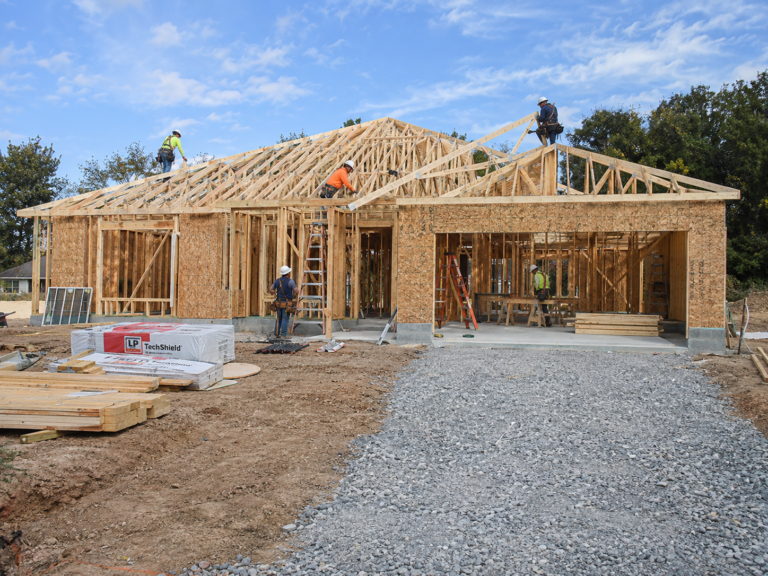
Build a New Home With USDA Construction-to-Permanent Financing
For eligible homebuyers planning to build a new house in Pennsylvania, a USDA One-Time Close Construction Loan may provide an alternative to traditional construction financing.
This program combines financing for the construction of a new home, the purchase of an eligible building lot when applicable, and the permanent mortgage into a single loan.
Millennial Home Loans offers access to USDA One-Time Close Construction Loan financing through participating mortgage lenders, subject to borrower eligibility, builder approval, and construction-project requirements.
What Is a USDA One-Time Close Construction Loan?
A USDA One-Time Close Construction Loan, sometimes called a USDA Construction-to-Permanent Loan, combines construction and permanent financing into one mortgage transaction.
Traditional construction financing often involves two separate loans or closings. The first finances construction, while the second establishes the permanent mortgage after the home is completed.
With a USDA One-Time Close Loan, the borrower closes on the financing before construction begins. Once construction is completed and the required inspections and documentation are satisfied, the loan transitions to its permanent mortgage phase without a second closing.
Benefits of USDA One-Time Close Financing
Depending on the participating lender and the approved construction project, potential features include:
- No down payment required: Eligible borrowers may finance up to 100% of qualifying project costs, subject to USDA loan limits and appraisal requirements.
- One closing: Construction and permanent financing are arranged in a single mortgage transaction.
- Fixed-rate permanent mortgage: The permanent interest rate is established according to the participating lender’s rate-lock requirements.
- Reduced interest-rate uncertainty: Borrowers can establish their permanent financing terms before construction begins.
- Construction payment arrangements: Depending on the program structure, payment reserves may be included to cover eligible mortgage payments during construction.
- Permanent financing arranged at the initial closing: Construction and permanent mortgage financing are established together. Updated documentation or additional qualification may be required at completion, depending on the lender and changes in the borrower’s financial circumstances.
Although the program combines two phases of financing, construction loans involve additional builder documentation, property evaluations, inspections, and project oversight compared with purchasing an existing home.
What Types of Homes Can Be Financed?
Depending on participating-lender requirements, eligible homes may include:
- New site-built single-family homes.
- Eligible modular homes.
- Certain double-wide manufactured homes that satisfy USDA and participating-lender requirements.
The property must be intended as the borrower’s primary residence and meet USDA’s applicable property and geographic eligibility requirements.
Certain specialized construction types may not qualify through participating lenders.
USDA One-Time Close Construction Loan Requirements
In addition to USDA’s standard mortgage eligibility guidelines, construction financing generally requires:
- The property to be located in an eligible USDA rural area.
- The household to meet USDA’s applicable income limits.
- Sufficient qualifying income to support the proposed mortgage payment.
- A minimum qualifying credit score of 640 under the participating-lender program offered by Millennial Home Loans.
- An Accept automated underwriting recommendation through USDA’s Guaranteed Underwriting System (GUS).
- An approved builder or general contractor.
- Construction plans, specifications, and an acceptable construction budget.
- A property appraisal based on the proposed completed home.
- An acceptable construction schedule and project documentation.
Minimum Credit Score and Automated Underwriting
The USDA One-Time Close Construction Loan program offered through Millennial Home Loans requires a minimum qualifying credit score of 640 and a GUS Accept automated underwriting recommendation.
Both requirements must be satisfied. Meeting the minimum credit score alone does not guarantee approval.
These requirements are specific to the participating construction financing program and should not be confused with the general USDA Guaranteed Loan Program’s underwriting requirements.
Does Owning the Land Improve Your Chances of Qualifying?
Owning your building lot free and clear, or receiving the land as a gift before settlement, may significantly improve the feasibility of a USDA One-Time Close Construction Loan.
When a borrower already owns the land without an outstanding mortgage, the land’s value may create built-in equity in the proposed construction transaction.
This can be beneficial because the borrower may not need to finance the purchase of the land in addition to the cost of constructing the new home.
For example, a borrower who already owns a qualifying building lot may be in a stronger financing position than someone who must borrow funds for both the land purchase and the entire construction project.
Similarly, borrowers who receive an eligible building lot as a gift before settlement may benefit from the equity associated with the land, provided the transfer and ownership documentation satisfy the lender’s requirements.
Although owning or receiving the land may improve the financing structure, it does not eliminate the need to satisfy USDA credit, income, appraisal, automated underwriting, and construction requirements.
The lender must establish the property’s acceptable value, ownership, and any existing liens before determining how the land equity affects the proposed financing.
What Should You Do Before Applying for a USDA Construction Loan?
Before beginning the formal mortgage application process, we strongly recommend identifying your builder and obtaining a preliminary estimate of the total construction costs, excluding the value or purchase price of the land.
The preliminary estimate should include:
- The cost of constructing the home.
- Site preparation, excavation, and grading.
- Foundation work.
- Driveway installation and other required site improvements.
- Well and septic installation, or public water and sewer connections.
- Utility connections.
- Building permits and applicable impact fees.
- Other expenses necessary to complete the home.
Having a realistic preliminary construction budget allows the loan officer to estimate the required financing and determine whether the proposed project is financially feasible.
If you already own the land or expect to receive it as a gift, that information should also be provided during the preliminary review.
Identifying the builder and developing a reasonable construction-cost estimate before applying can help avoid unnecessary underwriting expenses on a project that may not qualify.
Builder Approval Is an Important Part of the Process
Unlike financing an existing home, USDA construction financing requires approval of both the borrower and the construction project.
The participating lender must also review and approve the builder responsible for completing the home.
Depending on the lender, builder approval may involve reviewing:
- Builder qualifications and construction experience.
- Business and financial documentation.
- Required insurance coverage.
- Construction plans and specifications.
- The proposed building contract and project budget.
- The anticipated construction schedule.
Under the Click n’ Close construction financing process, builder approval typically takes approximately 3–5 business days after a complete builder application and all required documents have been received.
Builder approvals are generally valid for six months under that lender’s process.
The builder must generally be responsible for completing the project under an acceptable construction contract.
Borrowers planning to act as their own general contractor should discuss eligibility with a loan officer before proceeding.
Borrower and Construction Project Approval
USDA One-Time Close financing involves two separate areas of underwriting.
The lender must approve the borrower’s credit, income, assets, and mortgage qualifications. The lender must also approve the construction project, including the builder, plans, construction budget, insurance, and other required documentation.
Both approvals must be completed before the loan can close.
This additional review is one reason construction financing may take longer to arrange than financing an existing home.
How Does the USDA One-Time Close Construction Process Work?
Step 1: Identify Your Builder and Estimate Construction Costs
Before applying, identify the builder you intend to use and obtain a preliminary estimate of the total construction expenses, excluding the land.
If you already own the land or expect to receive it as a gift, provide that information to your loan officer.
Step 2: Preliminary Mortgage Qualification
The lender reviews the borrower’s income, credit, assets, existing debts, and estimated construction budget.
The borrower must meet the program’s minimum 640 qualifying credit score requirement and receive a GUS Accept automated underwriting recommendation.
Step 3: Property and Builder Review
The lender evaluates the building lot, builder qualifications, proposed construction plans, and project costs.
The construction documentation may include:
- Building plans, elevations, and specifications.
- An itemized construction cost breakdown.
- A plot plan showing the proposed home’s location on the property.
- Required builder liability and builder’s risk insurance.
- Permit information and applicable construction documents.
Both the builder and proposed construction project must meet the participating lender’s requirements.
Step 4: Mortgage Underwriting and Appraisal
The lender completes the borrower’s mortgage underwriting and obtains an appraisal based on the proposed completed home.
The borrower, property, builder, and construction project must satisfy all applicable underwriting requirements before final approval.
Step 5: Closing and Construction
Once both borrower underwriting and construction project approvals are obtained, the borrower closes on the construction-to-permanent mortgage.
Construction proceeds according to the approved plans, with funds disbursed through scheduled construction draws and applicable inspection requirements.
Step 6: Construction Completion
After construction is completed, the lender obtains the necessary completion documentation, inspections, and approvals.
The mortgage then continues under its permanent financing terms without requiring a second loan closing.
Depending on the lender, the transition may involve a loan modification and updated borrower documentation. Additional qualification may be necessary if the borrower’s financial circumstances have materially changed.
How Do Construction Draws Work?
Construction funds are generally released to the builder in stages as construction progresses.
The builder submits draw requests based on completed work, and the construction administrator reviews the request along with applicable inspection and documentation requirements.
Under the participating lender’s process, the borrower must also approve the draw request before funds are disbursed.
The number and timing of construction draws depend on the approved project and lender requirements.
How Are Mortgage Payments Handled During Construction?
The treatment of mortgage payments during construction depends on the participating lender and the specific USDA One-Time Close financing structure.
Some programs allow a portion of the loan proceeds to be set aside in a payment reserve to cover eligible mortgage payments during the construction period.
Other arrangements may require payments during construction.
Borrowers should also understand their responsibility for property taxes and assessments, required insurance coverage, and any other expenses that are not covered by the approved payment arrangements.
The loan officer should explain the applicable payment requirements, construction-period financing expenses, and reserve arrangements before closing.
Frequently Asked Questions About USDA Construction Loans
Can I Build a Home in Pennsylvania With No Down Payment?
Potentially, yes. USDA One-Time Close Construction financing may provide 100% financing for eligible borrowers and projects.
However, the final loan amount, appraisal, construction budget, eligible costs, and participating-lender guidelines determine whether any borrower funds are required.
What Credit Score Is Required for a USDA One-Time Close Construction Loan?
Millennial Home Loans offers access to a USDA One-Time Close Construction Loan program requiring a minimum qualifying credit score of 640 and a GUS Accept automated underwriting recommendation.
Both requirements must be met, along with all other borrower, property, and construction eligibility guidelines.
Can I Purchase the Land With the Construction Loan?
Yes. An eligible building lot may be included as part of a USDA One-Time Close Construction transaction, subject to program and lender requirements.
Is It Easier to Qualify if I Already Own the Land?
Potentially. Owning the building lot free and clear may provide built-in equity and eliminate the need to finance the land purchase.
Receiving an eligible lot as a gift before settlement may provide a similar benefit.
However, the lender must evaluate the land’s value, ownership, and applicable underwriting requirements before determining how that equity affects loan qualification.
Should I Find a Builder Before Applying for a USDA Construction Loan?
Yes. We recommend identifying your builder and obtaining a preliminary estimate of construction costs before beginning the formal application process.
This allows the lender to evaluate the proposed financing amount and determine whether the construction project appears feasible.
Can I Use a Builder of My Choice?
Potentially. The builder must satisfy the participating lender’s qualification and approval requirements.
Not every builder will meet or choose to participate in the required construction financing process.
Can I Act as My Own General Contractor?
Typically not through the participating programs offered by Millennial Home Loans. An approved builder or general contractor is generally required to manage and complete the construction project.
Who Approves Construction Draws?
Construction funds are generally released in stages as work is completed. The builder submits a draw request, and the construction administrator reviews the request and applicable inspection requirements.
Under the participating lender’s process, the borrower must also approve the draw request before funds are released.
What Happens if Construction Costs Exceed the Approved Loan Amount?
Construction costs that exceed the approved financing and available contingency funds generally must be paid by the borrower.
The approved mortgage amount cannot automatically be increased to cover construction overruns. For this reason, developing a realistic construction budget before applying is especially important.
Do I Need to Make Mortgage Payments While My Home Is Being Built?
Not necessarily from your own funds during construction. Some USDA One-Time Close structures permit financing a payment reserve that covers eligible payments during the construction period.
The exact payment arrangements depend on the lender and approved financing structure.
Property taxes, insurance, and other expenses may still be the borrower’s responsibility during construction.
Do I Need to Requalify for a Mortgage After Construction?
A second mortgage closing generally is not required when construction is completed according to the approved terms.
However, the lender may require updated financial documentation or additional qualification if the borrower’s financial circumstances have changed.
Borrowers should avoid taking on substantial new debts or making other significant financial changes during construction without first discussing them with their loan officer.
How Long Does the USDA Construction Loan Approval Process Take?
Construction financing generally takes longer to arrange than financing an existing home because the lender must approve the borrower, builder, construction plans, and project budget.
The overall timeline depends on the completeness of the documentation, builder approval, appraisal, and underwriting requirements.
Is a USDA One-Time Close Construction Loan Right for You?
USDA One-Time Close financing may be worth considering if you are planning to build a home in an eligible Pennsylvania community and want to explore low- or no-down-payment construction financing.
For the most productive initial discussion, we recommend having the following information available:
- The location of the proposed building lot.
- Whether you already own the land, intend to purchase it, or expect to receive it as a gift.
- The name of your proposed builder.
- A preliminary estimate of total construction costs, excluding the land.
- Your approximate credit score and household income.
Millennial Home Loans can review the proposed project and help determine whether USDA One-Time Close financing is a practical option.
Call Millennial Home Loans at (866) 747-2882 to discuss USDA construction-to-permanent mortgage availability.
Program availability, builder approval, minimum credit scores, automated underwriting results, construction terms, and financing requirements vary by participating lender. All financing is subject to USDA eligibility requirements, satisfactory appraisal, lender underwriting, and final approval.